
In recent decades, the Pacific Halibut has risen in stature with anglers. Fifty years ago, catching one was rare, because Chinook and Coho dominated fishing efforts. But with increasingly restrictive salmon regulations, learning how to find Halibut has become the top priority for Vancouver Island anglers looking to fill the freezer with “White Gold.”
It’s a cautionary tale that reflects the necessary respect required when taking on these powerful fish. As a consequence, it’s become BC’s second-ranked marine sport fish.
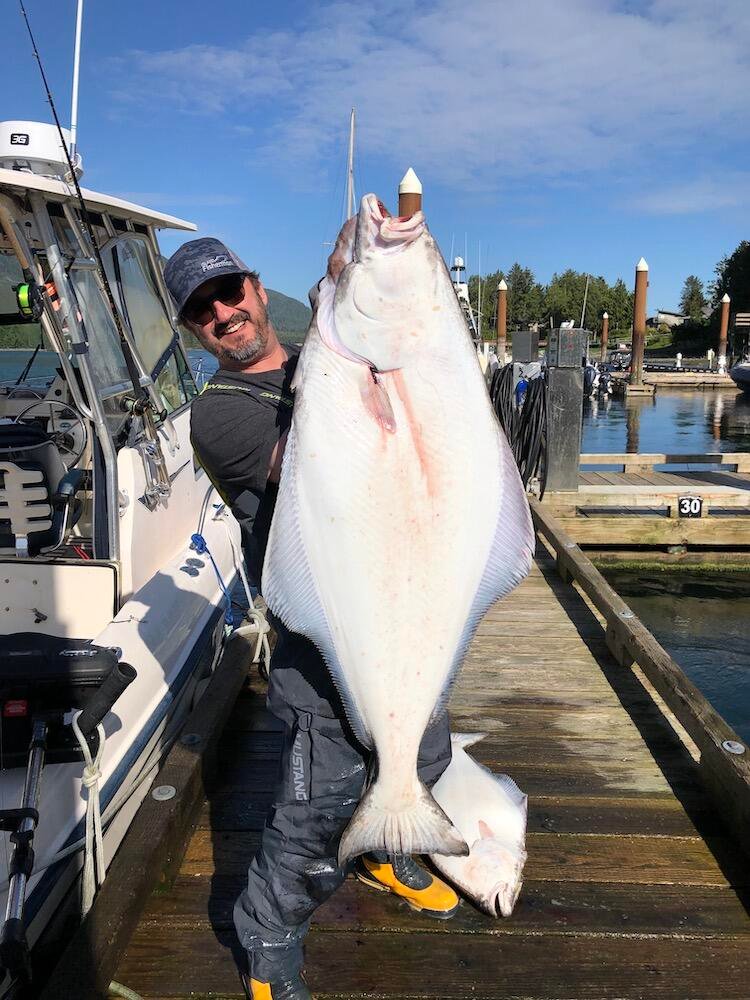
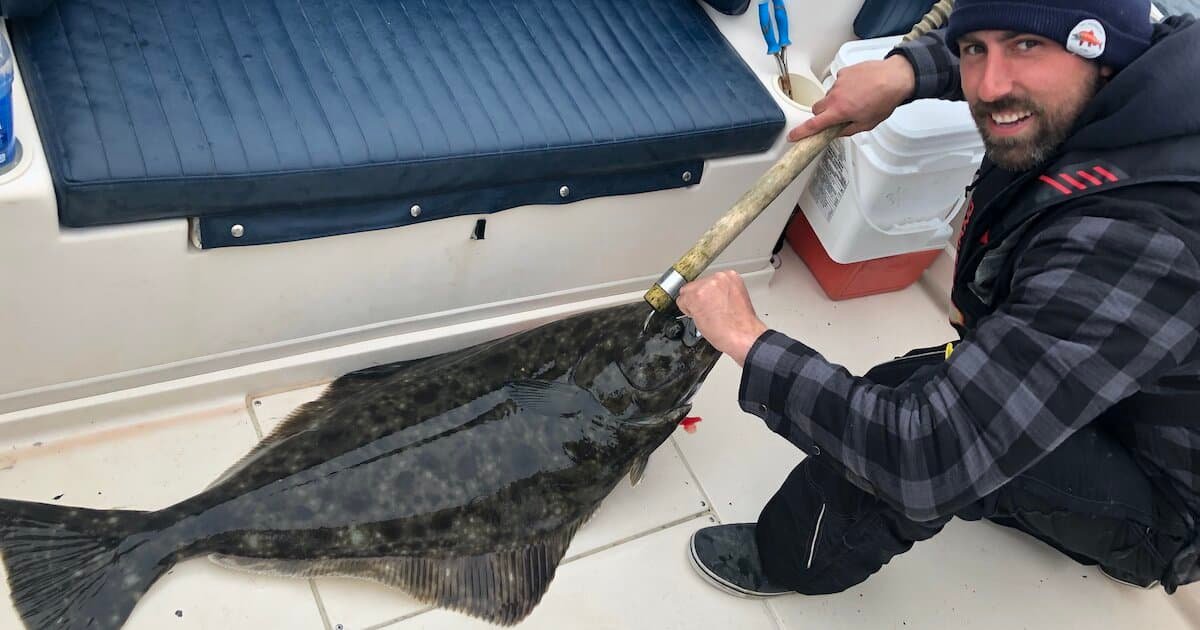
Publisher, Joel Unickow with a fresh caught halibut thanks to Lucky Strike Sportfishing, Tofino BC
Pacific Halibut Facts & Distribution
Halibut are widely distributed over the North Pacific Ocean and are managed by the International Pacific Halibut Commission (IPHC). These are massive fish; the largest known commercially caught fish was 8′ 2″ and weighed 533 lbs. In BC, fish of 100 lbs to 200 lbs are not uncommon and have earned the nickname “barn doors.” They prefer to feed on smaller fish, crabs, clams, shrimp, squid, and prawns inhabiting bottom structure consisting of sand, gravel, and cobble.
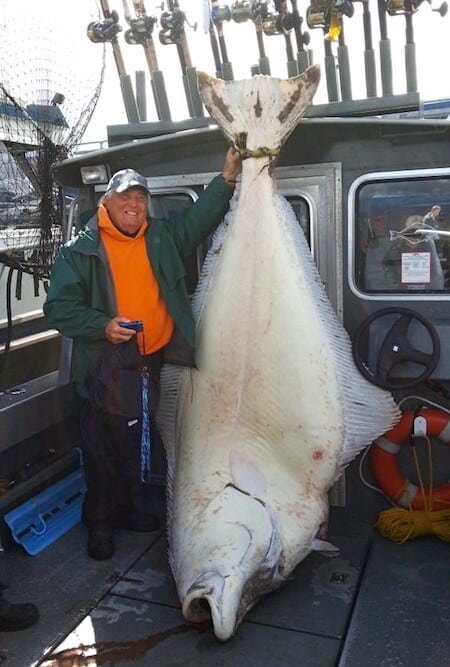
A 482-lb giant was landed in Alaska, proving just how massive these fish can get.
How to Find Halibut: Tides and Timing
The best answer to “When should I fish?” comes from picking the best Halibut tides. Focus on days with long slack waters and less than two knots of current. Slow currents make it easy to keep your gear near the bottom. Understanding the local current is the first step in learning how to find Halibut consistently on the BC coast.
Where to Find Halibut: 4 Key Locations
The precise answer to “Where should I fish?” is based on locating ground where halibut are likely to be found. To master how to find Halibut, examine your marine charts for these four structures:
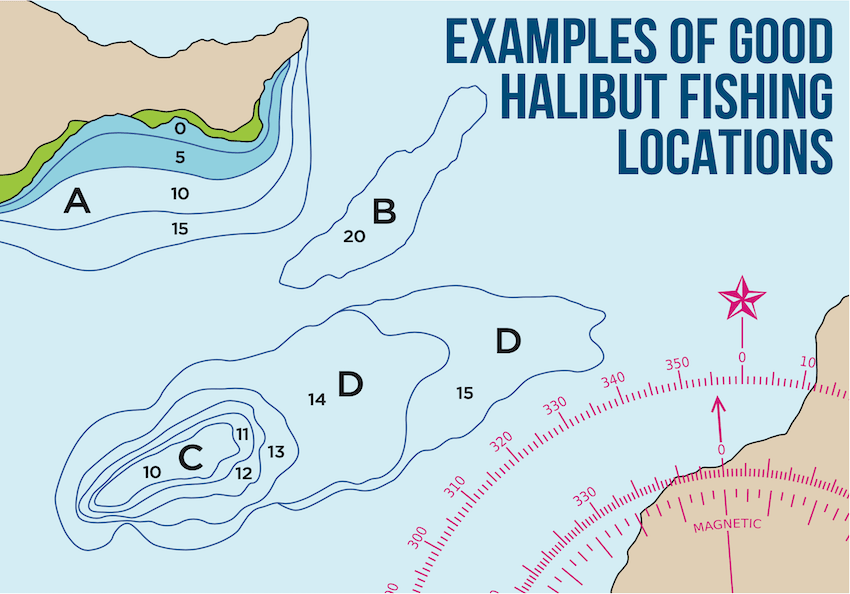
A. Sloped beach B. Gullies C. Banks D. Flats
A) Gradually Sloped Beach Structure
Large expansive bays with sand, gravel, and cobble structures that gradually descend to deeper water can be halibut magnets. These are often neglected grounds ideal for many prey species.
B) Gullies
Gullies are seabed depressions a few fathoms deeper than surrounding terrain. Test them with heavy jigs tipped with herring, squid, salmon bellies, or octopus.
C) Banks
Banks like Swiftsure and La Perouse rise out of deeper water and contain vast amounts of forage species. They can be fished with heavy jigs or slow trolled with natural baits off downriggers.
D) Flats
Flats occur everywhere, especially in channels between islands. They are compatible with anchoring, but you might consider slow trolling or a “jig and move” tactic to locate fish quickly.
Essential Halibut Gear
Halibut can be landed on standard salmon gear, but it’s not recommended. Invest in stiffer 6′ to 8′ rods, multiplier reels, 80- to 100-lb Tuff mainline, and 150- to 200-lb test monofilament leader.
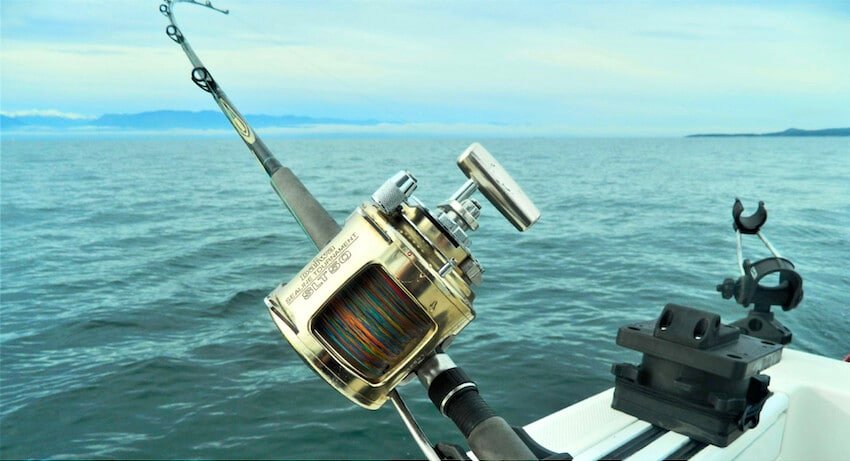
Rod and reel used by Foghorn Charters (Tom Davis photo)
You’ll also need circle hooks for rigging tandem bait hookups, as well as stronger swivels and snaps.
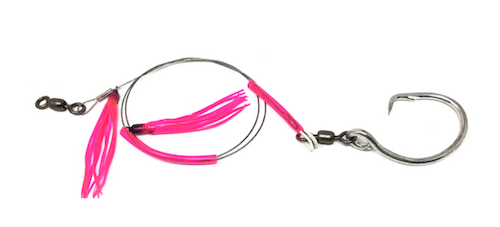
Circle Hook UV Skirts (Rite Angle)
Use an assortment of halibut jigs and spreader bars to keep your presentation clean and on the bottom.
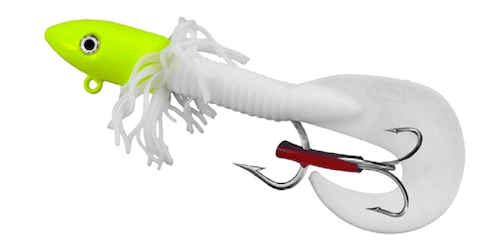
Hali Jig (Gibbs)
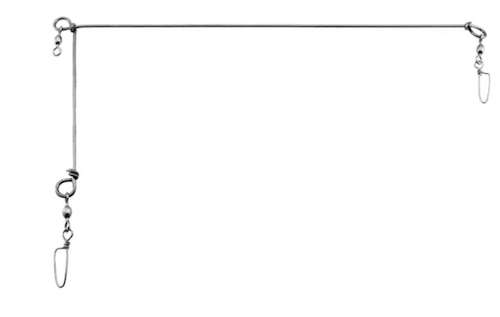
Spreader Bar
Critical Safety: Anchoring Tips
WARNING: Knowing how to find Halibut is only half the battle; anchoring can be extremely dangerous if not done correctly.
- Keep a sharp knife handy to cut your anchor rope in an emergency. Read our guide on fishing knives here.
- Don’t anchor near other boats; you will swing on your anchor arc.
- Don’t anchor in strong tides; it makes retrieval dangerous.
Want to know how to properly set up a halibut anchor? Read our essential guide on Halibut Anchoring Basics here.
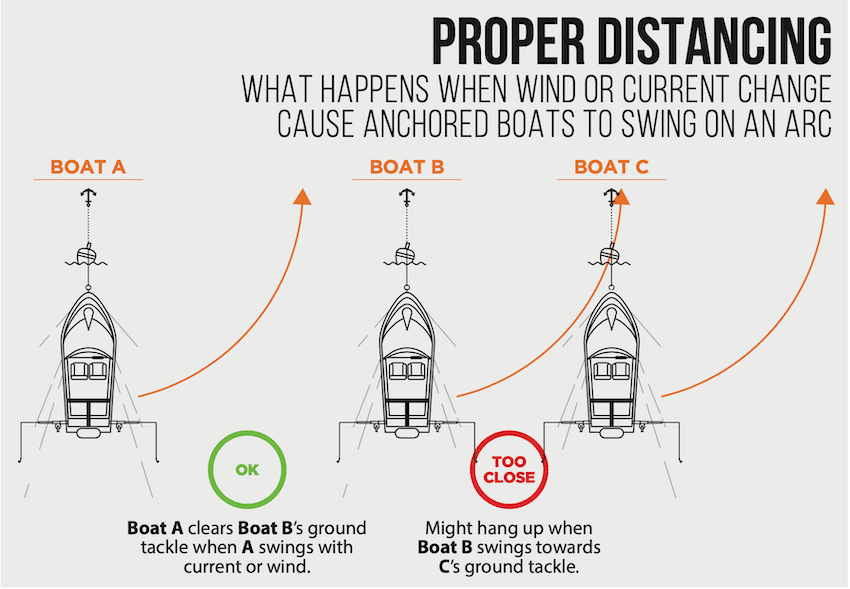
Safe boat anchoring distances (Image: Island Fisherman Magazine)
This article appeared in Island Fisherman Magazine, never miss another issue—subscribe today!