
This ultimate guide to Pacific salmon nutrition explores why these 5 wild BC species are a true West Coast staple—tasty, healthy, and available for retention in our local fisheries. From Victoria to Port Hardy, these fish are abundant in our waters, but not all salmon are created equal. Just as their sizes, strengths, and fight characteristics differ, so do nutritional value, taste, and ideal preparations vary among species.
Whether you’re a wild fish connoisseur or an aspiring catch-and-cook enthusiast, this guide explores how Pacific salmon nutrition stacks up by species, how they differ in taste, and how to best handle your catch. According to the BC Centre for Disease Control, eating local fish is a primary source of high-quality protein and essential fats.
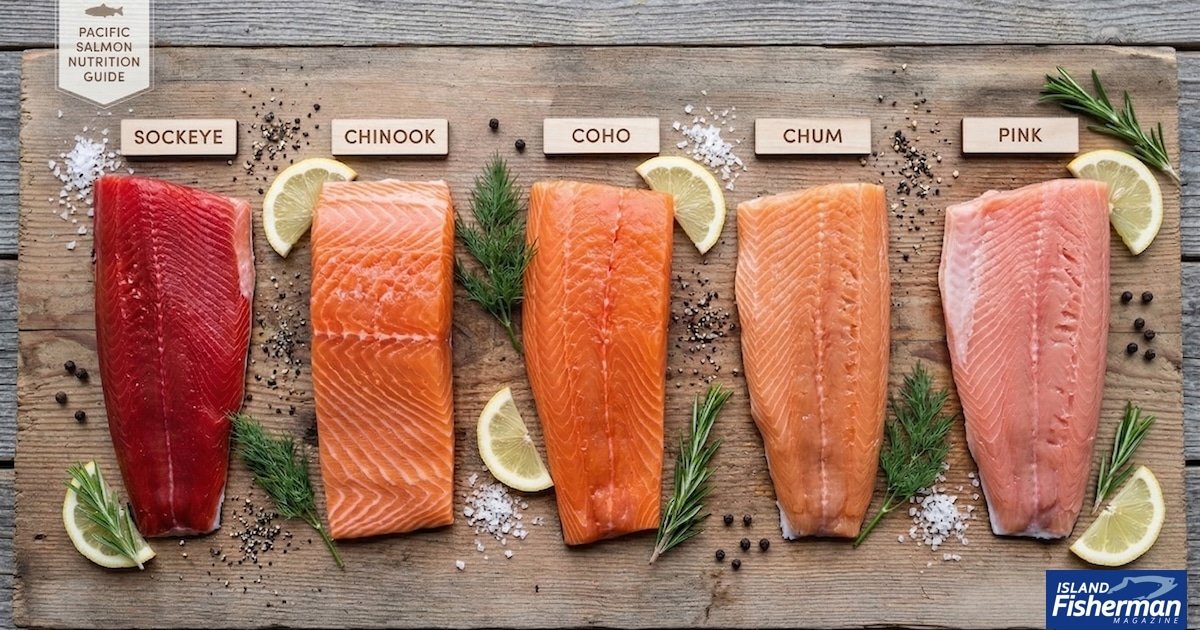
📊 The Ultimate Nutrition Comparison: All 5 Pacific Salmon Species
| Salmon Species | Calories | Protein | Omega-3s (EPA+DHA) | Astaxanthin |
|---|---|---|---|---|
| Wild Chinook (King) | 380-420 | 50-55g | 4,500-5,500mg | 0.5-1.5mg |
| Wild Sockeye (Red) | 300-340 | 40-45g | 2,800-3,800mg | 4.0-8.0mg |
| Wild Coho (Silver) | 280-320 | 40-45g | 2,000-2,800mg | 0.8-1.8mg |
| Wild Chum (Keta) | 230-270 | 40-45g | 1,500-2,000mg | 0.5-1.0mg |
| Wild Pink (Humpy) | 260-300 | 35-40g | 1,000-1,500mg | 0.5-1.0mg |
📏 Don’t Guess Your Catch
Correct identification is vital for both conservation and your kitchen. Before you can benefit from Pacific salmon nutrition, you need to know exactly what’s in your net.
Our waterproof, UV-resistant Laminated ID Cards are designed for the boat—rugged, clear, and essential for every BC angler.
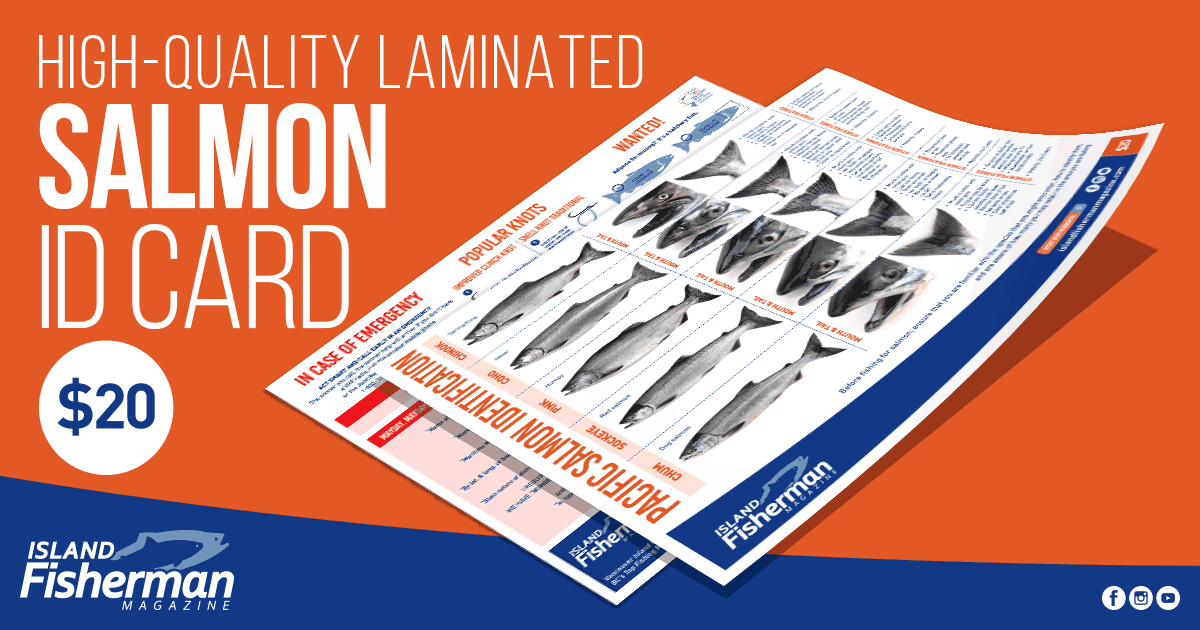
The 5 Essentials of Pacific Salmon Nutrition and Omega-3s
When we talk about the health benefits of our local catch, we are primarily looking at heart-healthy fats. Wild salmon provides essential EPA and DHA fatty acids that the human body cannot produce on its own. This makes Pacific salmon nutrition a critical component of a balanced West Coast diet.
👑 Chinook (Spring) Salmon: The King
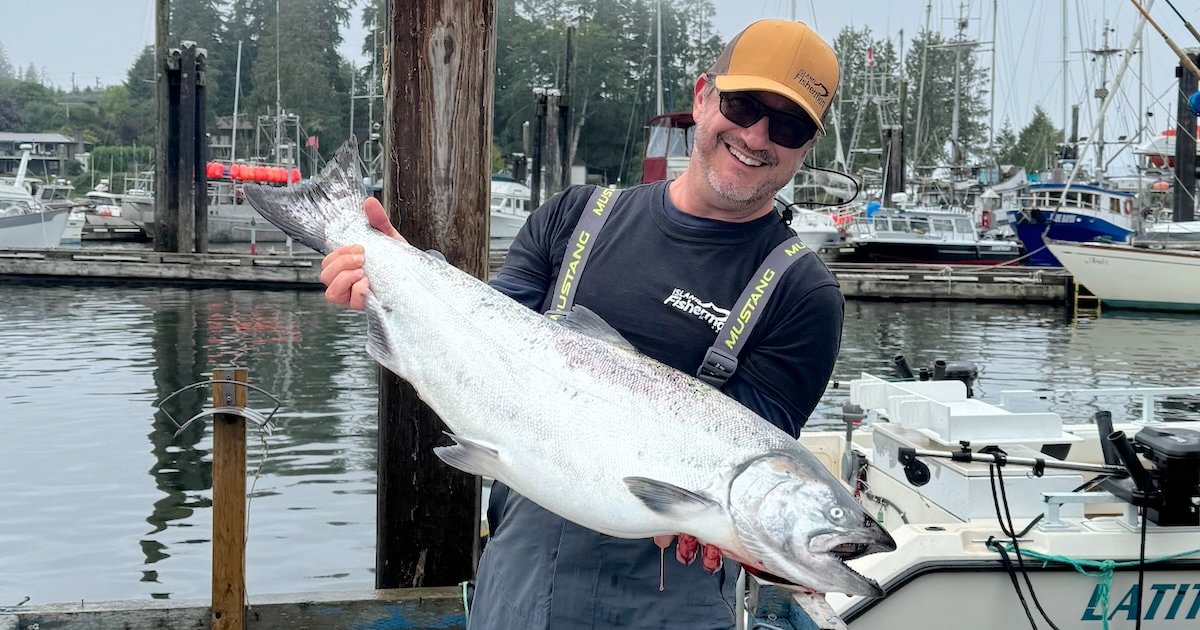
The King: Chinook salmon are the pinnacle of Pacific salmon nutrition, packed with healthy fats and dense protein.
Chinook salmon are a prized catch among big-game anglers, offering the biggest trophy photos and the hardest fights.
- Meat Quality: While most are red, some produce “white” flesh; both are elite examples of Pacific salmon nutrition.
- Best Prep: Grill red Chinook with olive oil, lemon, and butter.
🥈 Coho (Silver) Salmon: The Chromer
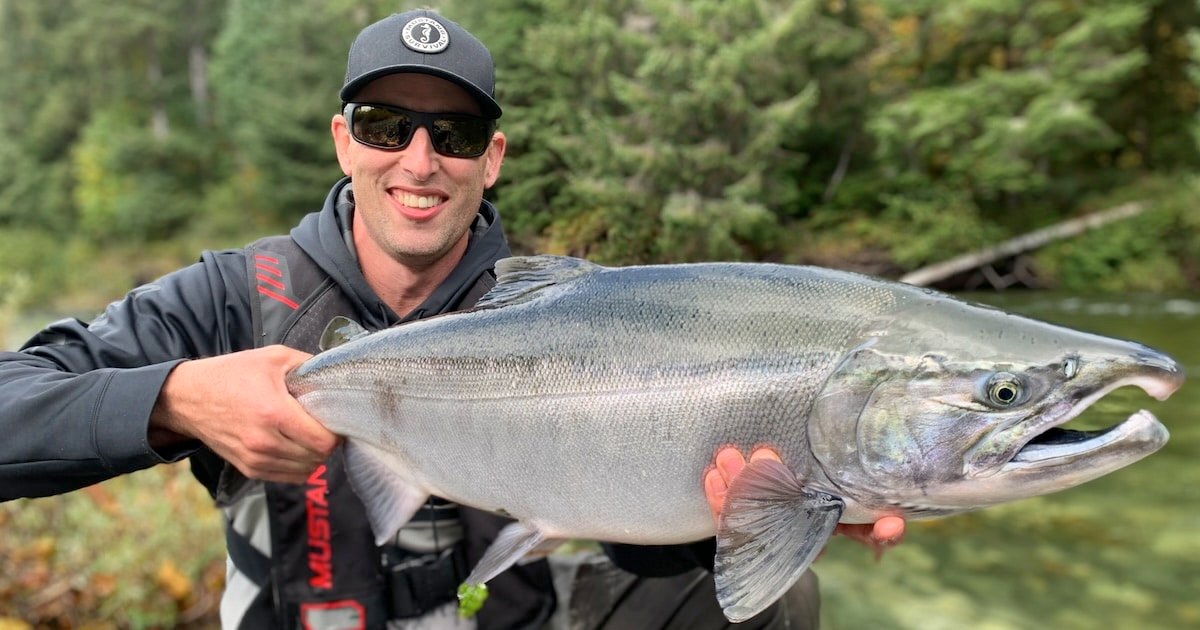
Coho provide a firm, vibrant orange fillet that is a true crowd-pleaser for catch-and-cook enthusiasts.
Coho provide a firm, vibrant orange fillet that is a true crowd-pleaser. They are excellent sources of lean protein and essential minerals to keep you in peak fishing condition.
💎 Sockeye Salmon: The Fine Diner
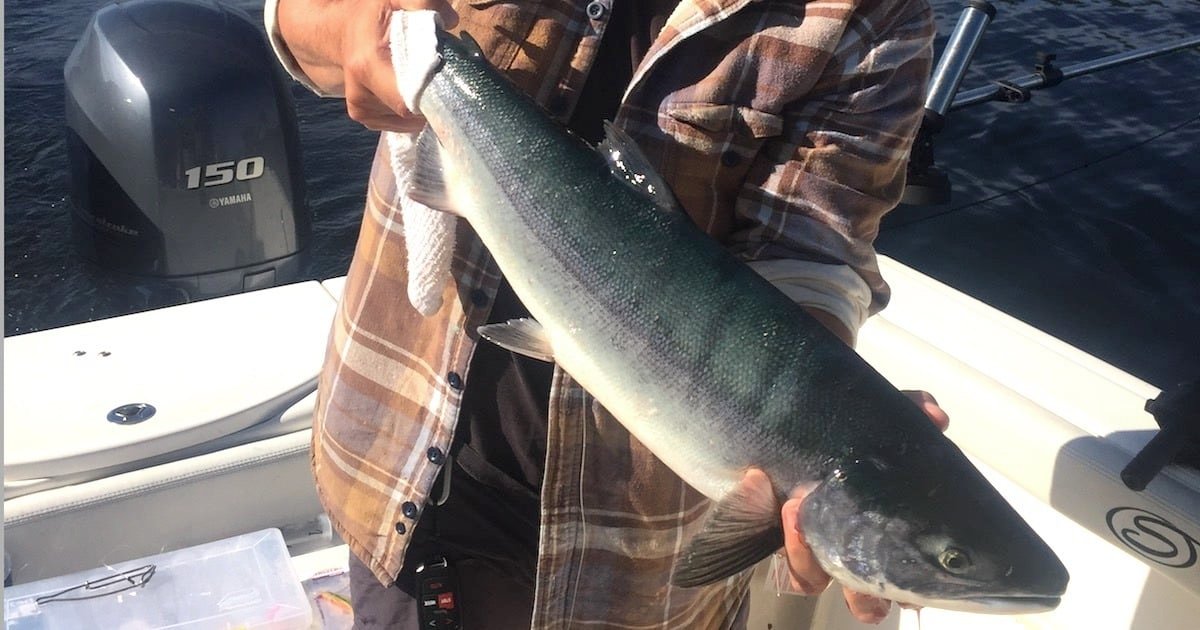
Alberni Inlet Sockeye: Famous for their intensely red meat and high antioxidant density.
Famous for their intensely red meat and deep flavor, Sockeye are a prize for any angler.
- The Astaxanthin Factor: This species is a leader in Pacific salmon nutrition due to high levels of antioxidants studied for skin and heart health.
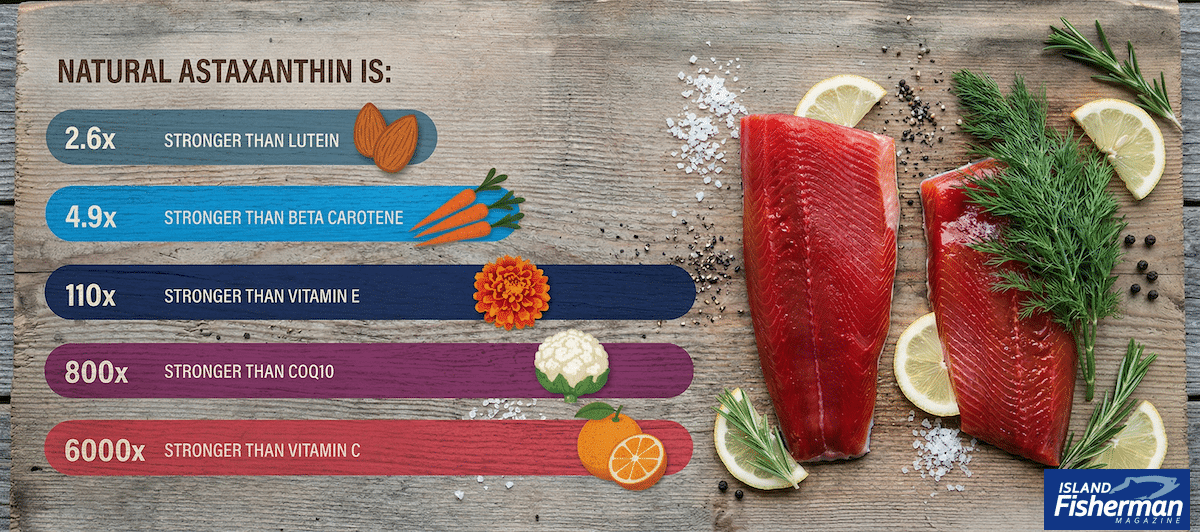
Infographic: Comparing the antioxidant power of natural astaxanthin found in wild Pacific salmon.
🛡️ The “Super Antioxidant” Power of Natural Astaxanthin
Astaxanthin gives wild salmon their vibrant red color and offers elite cellular protection. Compared to other antioxidants, it is:
6000x Stronger than Vitamin C
800x Stronger than CoQ10
110x Stronger than Vitamin E
🐕 Chum (Dog) Salmon: The Underdog
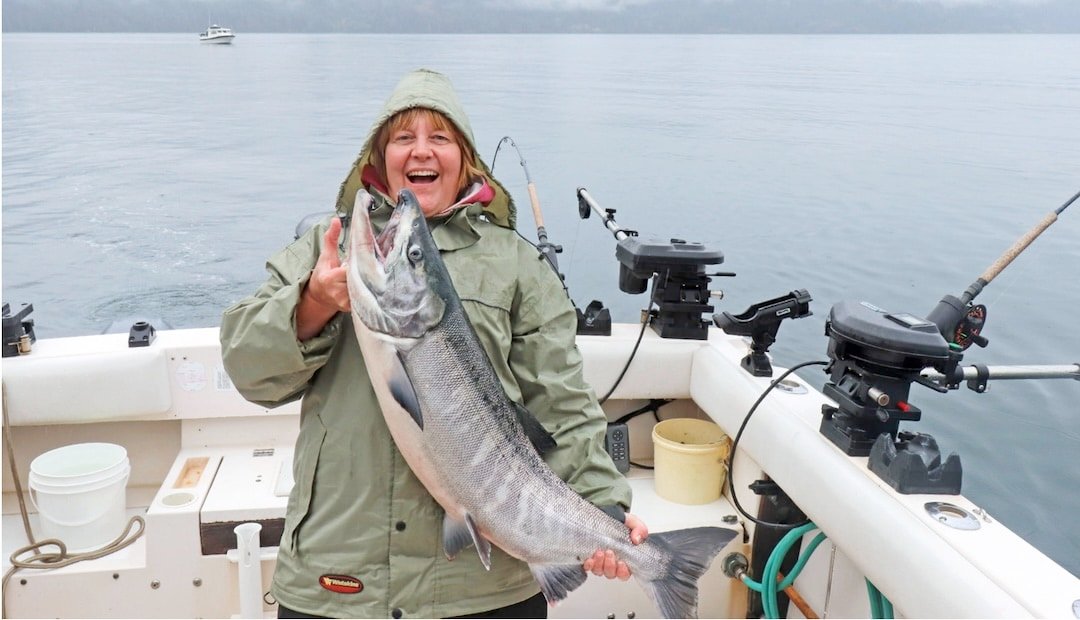
Chum get a bad rap unfairly; they are incredible fighters and offer lean, high-protein nutrition when bled and iced properly.
Chum offer a clean, mild flavor and are perfect for those tracking a lean Pacific salmon nutrition profile. Ideal for big-batch smoking.
🌸 Pink (Humpy) Salmon: The Delicacy
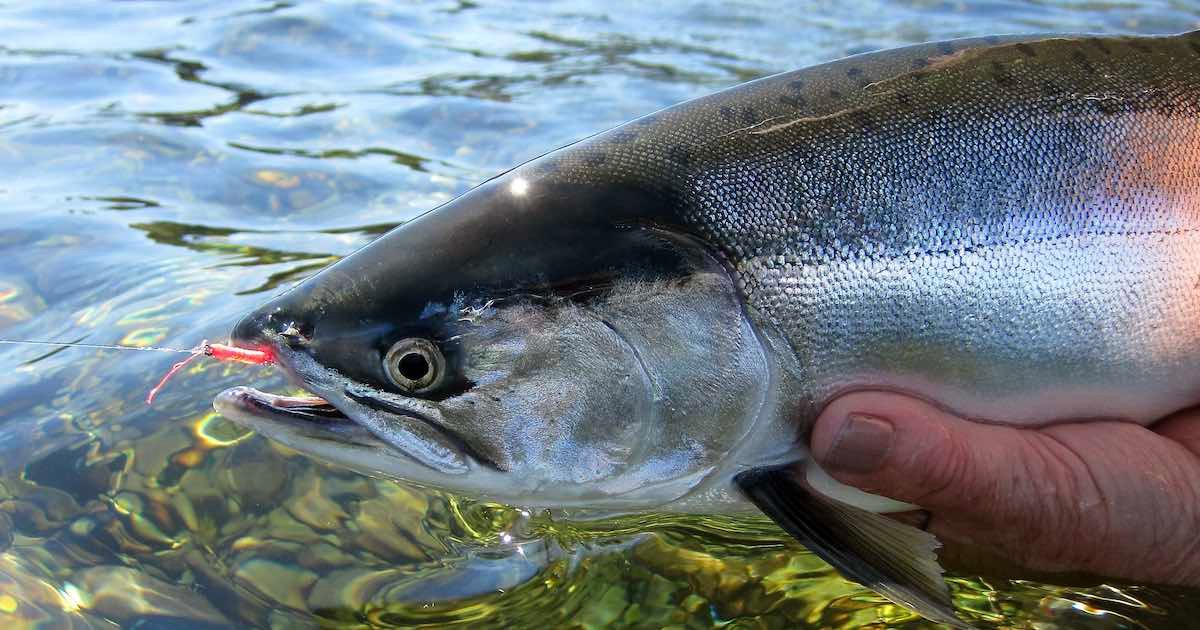
Pink salmon return in massive numbers and are rich in Omega-3s despite being leaner than Sockeye.
The most abundant species on Vancouver Island, Pink salmon are lean and light, yet still offer significant Pacific salmon nutrition benefits.
❄️ Pro Handling & Preservation
For the best quality, follow the DFO guidelines for food safety and catch handling to ensure the meat quality remains elite.
Support local conservation—respect your catch.