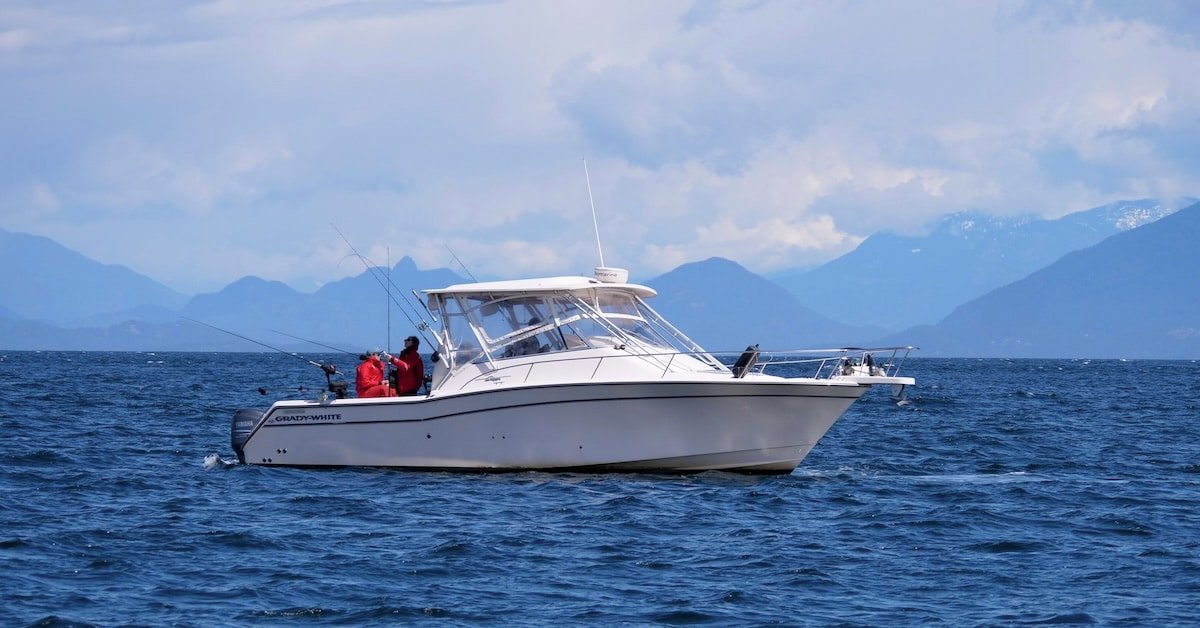
The federal government’s current review of the Salmon Allocation Policy (SAP) represents a direct threat to our coastal culture, heritage, and community livelihoods. On January 25, I stood in a room that felt like the beating heart of our coast. A capacity crowd of 1,400 packed the Cowichan Exhibition Park in Duncan, among them charter operators who have built lives on the water, business owners whose livelihoods depend on the seasonal hum of the fishery, and parents and grandparents wondering if their little ones will ever experience the thrill of catching their first Chinook. I was on that stage not just as a local Member of Parliament, but as a witness.
What I saw was a united, informed, and deeply worried community. You weren’t there to complain about a hobby. You were there because our culture, our heritage, and our communities’ livelihood is under a direct threat from the federal Liberal government’s review of the Salmon Allocation Policy (SAP). As I listened to the speakers and to many of you afterward, it became crystal clear that Ottawa has no idea what is at stake. They see numbers on a spreadsheet. We see 125 years of family and community that define who we are as British Columbians. The current federal review of the BC Salmon Allocation Policy is a major concern for our community.
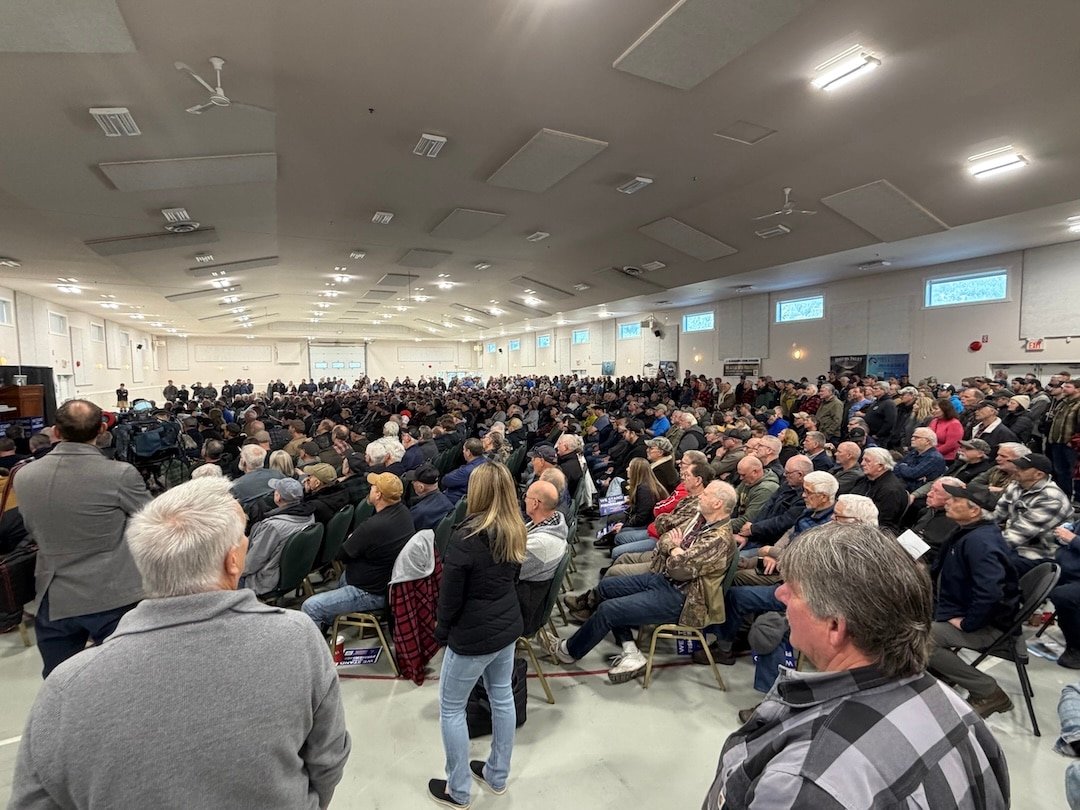
Salmon Allocation Policy Meeting Duncan January 2025 (Photo: Island Fisherman)
Salmon Allocation Policy: ‘Fixed Quotas’ Threaten the Economy
The Department of Fisheries and Oceans (DFO) is considering a fundamental change to how British Columbia’s public salmon fishery is managed. The department is reviewing proposals to replace our current opportunity-based fishery with commercial-style “fixed quotas” or hard caps. This approach represents a massive misunderstanding of our coastal economy.
Commercial and recreational fisheries succeed based on completely different needs. A commercial fleet requires volume and speed—filling the boat quickly to get paid by the pound. The public recreational fishery, however, generates its value by maximizing the time the fishery is open.
Coastal lodges, marinas, and guides invest heavily in infrastructure, carrying massive hard costs from facility maintenance and vessel insurance to staff contracts and perishable supplies—months before the first guest arrives. Covering these fixed expenses requires predictable, season-long access.
Imagine managing Vancouver Island’s summer RV parks with a strict “total camper quota”. If the region hits that cap by mid-July, every park is forced to lock its gates. Families who booked August vacations have their trips ruined, and the surrounding towns lose millions in expected tourism dollars. Applying this hard cap logic to the recreational fishery destroys the business model. Not knowing when a season will open, or facing the constant threat of a sudden, early closure, makes it impossible to book trips or for businesses to survive financially. We cannot turn predictable business planning into a gamble threatening thousands of jobs and shutting the public out of our own waters.
Nanaimo-Ladysmith: The Economic Hub of the Island Fishery
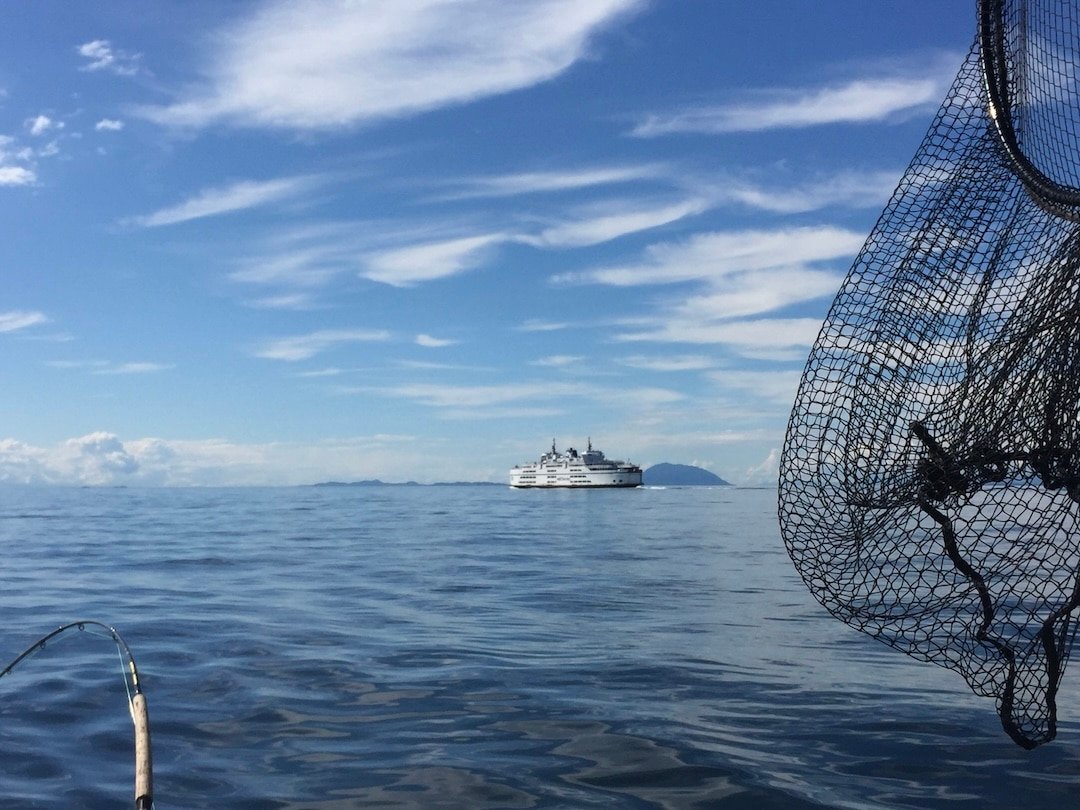
A view from the deck of a recreational fishing boat on the calm, blue waters near Nanaimo, British Columbia. In the foreground, In the distance, a BC Ferry travels across the horizon toward Nanaimo. Will the proposed change to the Salmon Allocation Policy Change this view? (Photo: Island Fisherman)
The recreational fishery is a $1.276 billion economic engine, so in Nanaimo-Ladysmith and the surrounding area, the stakes are extremely high. Our community is the gateway to the Island. Whether anglers are heading north or west, they pass through our community first.
But we are far more than a pass-through. Mainlanders cross the strait to reach legendary local spots like Thrasher Rock off Gabriola or spend the day at The Fingers alongside locals. They moor at our marinas, stay in our hotels and B&Bs, fuel up at our docks, enjoy our local pubs, and shop in our stores.
Before a single line is dropped, “fishing dollars” are already circulating through our community. Marine mechanics and truck service centres are busy. Along with charter operators, they all depend on predictable access to the fishery. This sector supports over 9,100 jobs across BC. It puts food on the tables for families all across our region. The recreational fishery is a service-based economy that helps our communities thrive.
Preserving Our Heritage and Environmental Stewardship
And the issue goes beyond economics to culture. Fishing is part of how generations connect. The water is where parents teach children patience, responsibility, and respect for the beauty of our natural environment. Fishing together gives us some of those magic moments that fill our family albums, make us laugh at the dinner table, and define our summers.
Public anglers are also among the primary stewards of the fishery. We fund conservation by buying salmon conservation stamps. We volunteer at hatcheries like the Nanaimo River Hatchery and spend weekends clipping fins, restoring habitat, and clearing spawning streams across the province so that there will be fish for the next generation.
The recreational sector has embraced Mark Selective Fisheries (MSF) to protect wild stocks while supporting conservation and local economies. To have that commitment ignored by a distant office in Ottawa, to be treated like our access is “optional” is unfair to every volunteer who has spent time on the water ensuring there are fish for the next generation.

Child with Salmon Smolt for Nanaimo River Release. Community and local knowledge is essential.
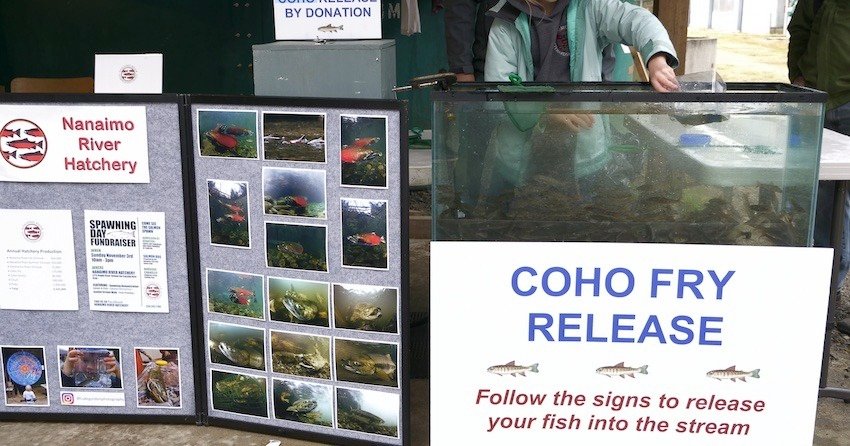
Coho Release edulcation. (Photo: Island Fisherman)
Standing Up in Ottawa: My Commitment to BC Anglers
The message from the Duncan town hall was loud and clear. People are anxious. This issue is too big for folks to wait on the sidelines for answers, and the consequences of the government making the wrong decisions could be catastrophic for our communities and our way of life.
While the formal public feedback window on the SAP has closed, our advocacy is already making a difference. Less than a month after the Duncan town hall, DFO has quietly updated the Pacific Salmon Allocation Policy Review website to clarify that Pacific salmon will remain a “shared public resource managed by the Government of Canada on behalf of all Canadians”, and claims that the revised SAP “will not extinguish any sector’s access to the resource”.
Now we need to finish the job and ensure that the Minister hears directly from the people and communities impacted by DFO decisions. That is where MPs come in. I am asking local business owners, charter operators, and community leaders to reach out and share how these changes would affect their families, businesses, and communities. Your experiences are essential to explaining what is at stake here and why access must be preserved. When we stand up in the House, MPs need good information to speak with the authority of the people on the water and behind the counters.
A Call to Action: Defending the Current Salmon Allocation Policy
Reach out to me: Contact my office to share how these policy changes will impact your business or your family. The review is still active, with final advice being prepared for March 31, 2026.
Stakeholders: If you are a business owner in the marine, tourism, or service sector, let’s sit down. Your evidence is the ammunition I need to explain to Ottawa why the 1999 policy must remain the standard.

Tamara Kronis, the Member of Parliament for Nanaimo—Ladysmith.
Tamara Kronis, MP
Member of Parliament for Nanaimo-Ladysmith
Office: 3-3188 Barons Road, Nanaimo, BC V9T 4B5
Phone: 250-434-7110
This article is sponsored content